
Diagnostics

Behavioral analysis
method description
The behavioral analysis is based on standardized questionnaires containing questions about daily life, cognitive abilities or mood. Based on the patient's answers, it is possible to determine the state of their neural activity and learn about the causes of many cognitive or emotional problems, such as concentration and mood disorders, memory deterioration or feelings of anxiety and fear. The behavioral tests that we use were developed on the basis of correlations with neuroimaging methods. They are a quick and effective diagnostic approach, requiring no special preparation on the part of the patient, and they allow us to readily find out the source of the ailment and choose the right methods of therapy. Their results also provide guidance for further diagnosis.
application
- analysis of mental and physical state
- assistance in choosing the right supplements
- planning an individual neuroregulation plan
- identification of body functioning issues
- support in the treatment and prevention of diseases
- facilitating effective self-development
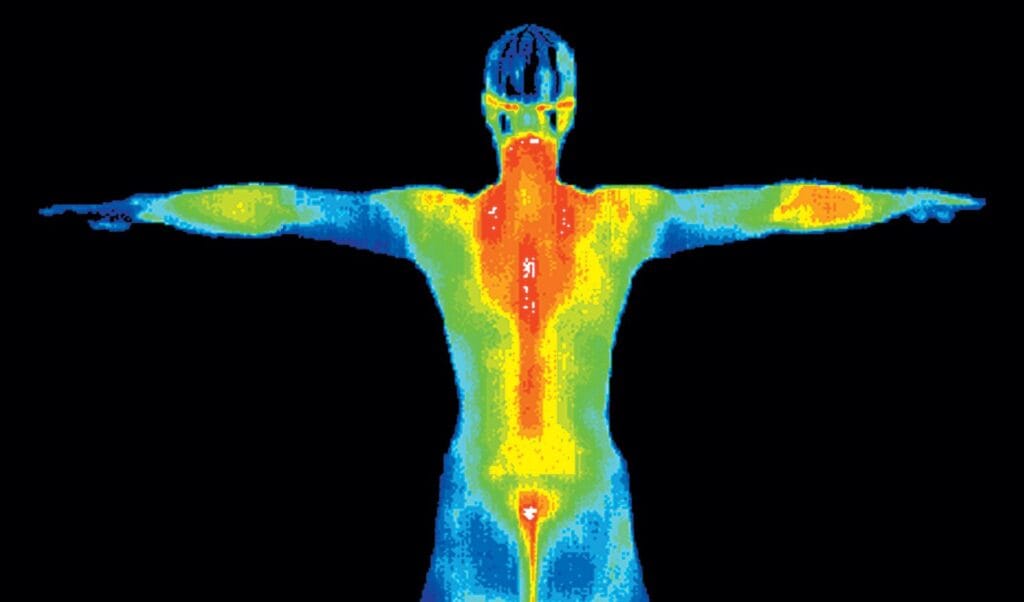
STRD
method description
Scanning Thermoregulatory Diagnostics (STRD) provides a rapid, non-invasive analysis of a patient's mental and emotional state. It is an innovative method created as a diagnostic tool in the process of neuroregulation, support in the prevention of neurodegenerative diseases and a holistic system for assessing the psychophysical balance of the body. It involves mapping the microcirculation of blood on the surface of the body and dynamically scanning decreases and increases in temperature in response to a stimulus. The collected data is analyzed by a dedicated computer system and then interpreted by the specialist in the context of assessing the patient's neurophysiological condition.
application
- assessment of psycho-emotional state
- assistance in establishing a neuroregulatory strategy
- choosing optimal therapeutic methods
- identification of the predispositions and deficits of the nervous system
- facilitating the optimization process
- psychophysical coherence analysis

EEG
method description
EEG (electroencephalography) is a non-invasive, painless test that registers the bioelectrical activity of the brain, which accompanies the transmission of impulses through neurons. These are received by a set of sensors (electrodes) placed on the patient's head. The results allow the development of so-called brain maps, which show brain wave activity in specific areas of the central nervous system, both at rest and when performing various tasks. By analyzing the results of the test, it is possible to diagnose the causes of ailments, such as problems with concentration. The EEG also forms the basis for selecting the appropriate form of biofeedback and other therapies.
application
- assistance in choosing the right supplements
- planning an individual neuroregulation plan
- support in brain training (EEG biofeedback)
- diagnostics in the therapy of sleep disorders
- diagnosis of other neurological disorders
- neurofeedback therapy
już wkrótce!

MRI
method description
MRI (Magnetic Resonance Imaging) is a non-invasive test that allows accurate imaging within individual brain structures. The method uses the magnetic properties of water molecules in the body. The MRI apparatus generates a magnetic field that temporarily changes their order, as well as radio waves that make the atoms of these molecules send out waves of the same frequency. The latter are recorded by sensors and allow the processing of an accurate image of the brain. This makes it possible to assess its overall condition, as well as diagnose numerous conditions, including strokes, Alzheimer's disease or other neurological disorders.
application
- brain health imaging
- help in determining the causes of the disorders
- preparation of anatomical model of neuroregulation
- identification of CNS dysfunctions
- support in diagnosis and prevention of diseases
- verification of the neuroregulation plan
 EN
EN  PL
PL