
01 · Non-invasive methods

Diagnostics

The starting point of the neuroregulation process is effective, non-invasive diagnostic methods. They allow us to quickly assess the condition of the patient's neurophysiological balance and set an individual optimization strategy.

Analiza behawioralna – pacjentka wypełnia test na tablecie

Method 01

Behavioral analysis

Behavioral analysis is based on standardized questionnaires with questions about daily life, cognitive abilities or mood. The patient's answers make it possible to determine the state of their neurochemical balance and to understand the causes of many cognitive or emotional problems, such as difficulty concentrating, mood disorders, poorer memory, or feelings of anxiety and fear.

The behavioral tests we use were developed on the basis of correlations with neuroimaging methods. It is a quick and effective diagnostic method that requires no special preparation from the patient and makes it easy to find the source of complaints and choose the right therapy. Its results also point the way for further diagnostics.

Application

  • Assessment of mental and physical condition
  • Help in choosing the right supplements
  • An individual neuroregulation plan
  • Identification of bodily dysfunctions
  • Support in the treatment and prevention of disease
  • Effective self-development
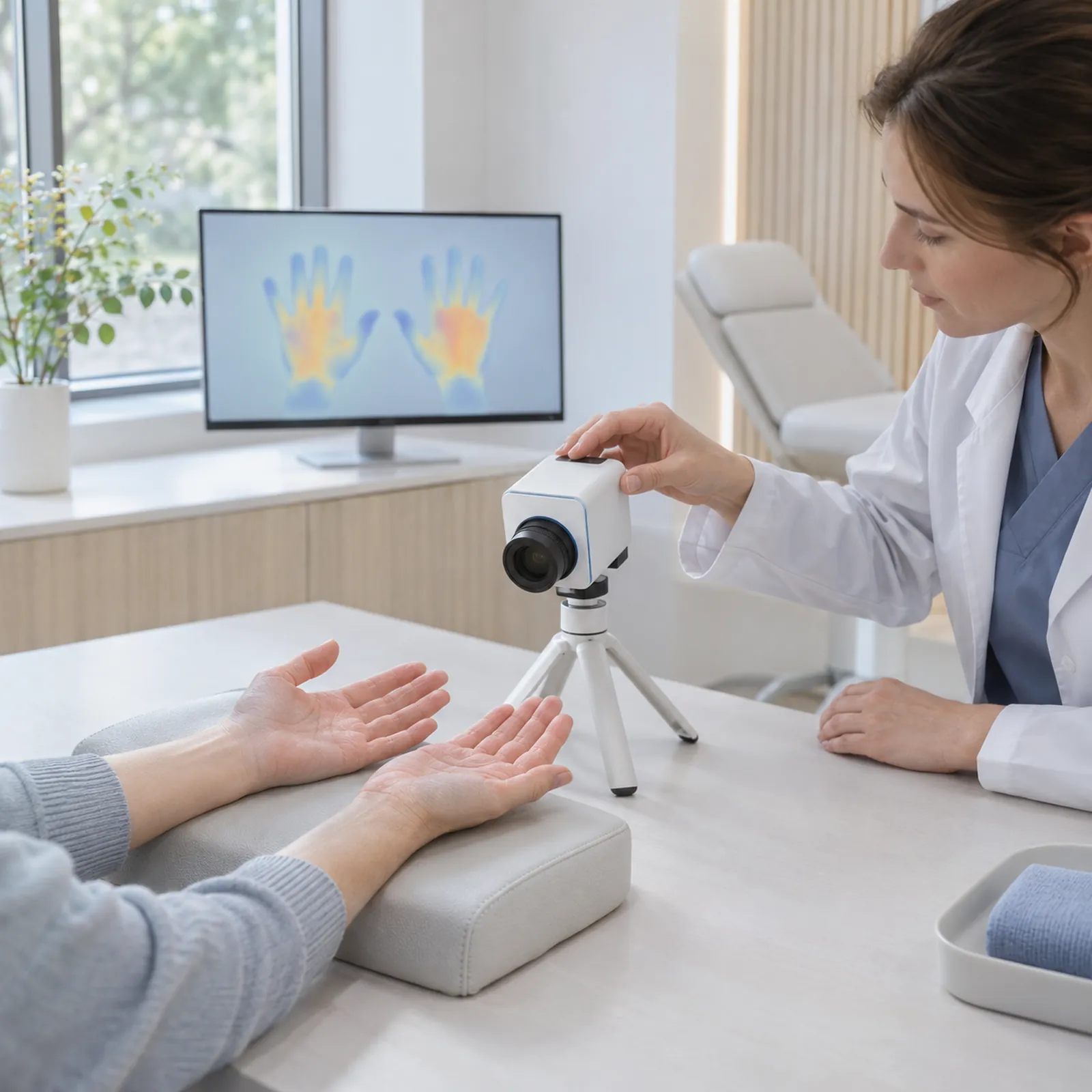
STRD – skanowanie termowizyjne dłoni pacjenta

Method 02

STRD

Scanning Thermoregulating Diagnostics

Scanning Thermoregulating Diagnostics (STRD) allows a quick, non-invasive analysis of the patient's mental and emotional state. It is an innovative method created as a diagnostic tool in the neuroregulation process, a support in the prevention of neurodegenerative diseases and a holistic system for assessing the body's psychophysical balance.

It maps the microcirculation of blood on the surface of the body and dynamically scans drops and rises in temperature in response to a stimulus. The collected data is analyzed by a dedicated computer system and then interpreted by a diagnostician to assess the patient's neurophysiological condition.

Application

  • Assessment of psycho-emotional state
  • Help in setting a neuroregulation strategy
  • Choice of optimal therapeutic methods
  • Identification of nervous system predispositions and deficits
  • A smoother optimization process
  • Analysis of psychophysical coherence
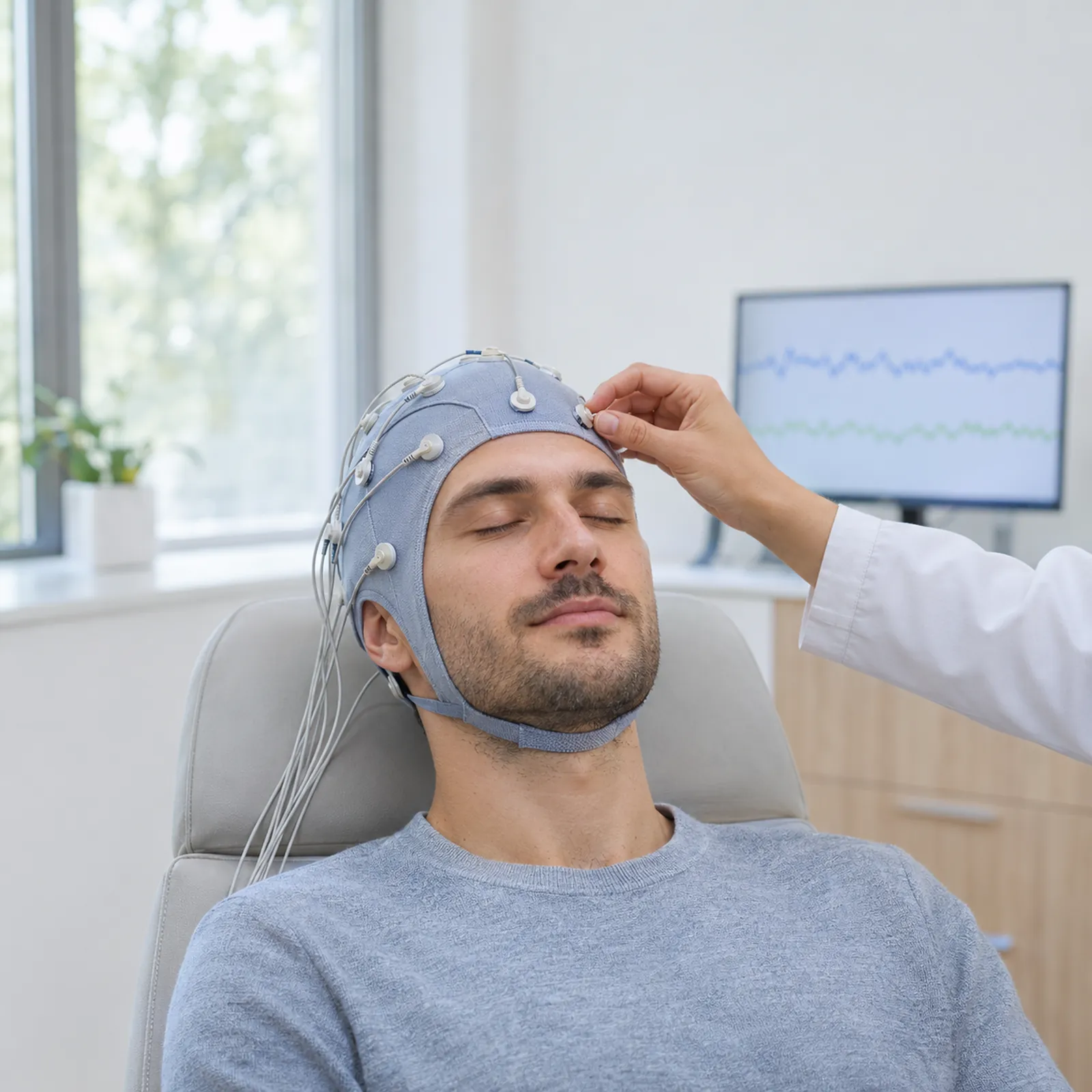
EEG – czepek z elektrodami i zapis fal mózgowych

Method 03 · Coming soon to our offer

EEG

Electroencephalography

EEG (electroencephalography) is a non-invasive, painless test that reads the bioelectrical activity of the brain that accompanies the transmission of impulses by neurons. These signals are picked up by a set of sensors (electrodes) placed on the patient's head.

The results make it possible to create so-called brain maps, showing brain wave activity in individual areas of the central nervous system, both at rest and during various tasks. Analyzing the results helps diagnose the causes of complaints such as difficulty concentrating. EEG is also the basis for choosing the right form of biofeedback and other therapies.

Application

  • Help in choosing the right supplements
  • An individual neuroregulation plan
  • Support in brain training (EEG biofeedback)
  • Diagnostics for sleep disorder therapy
  • Diagnostics of other neurological disorders
  • Neurofeedback therapy
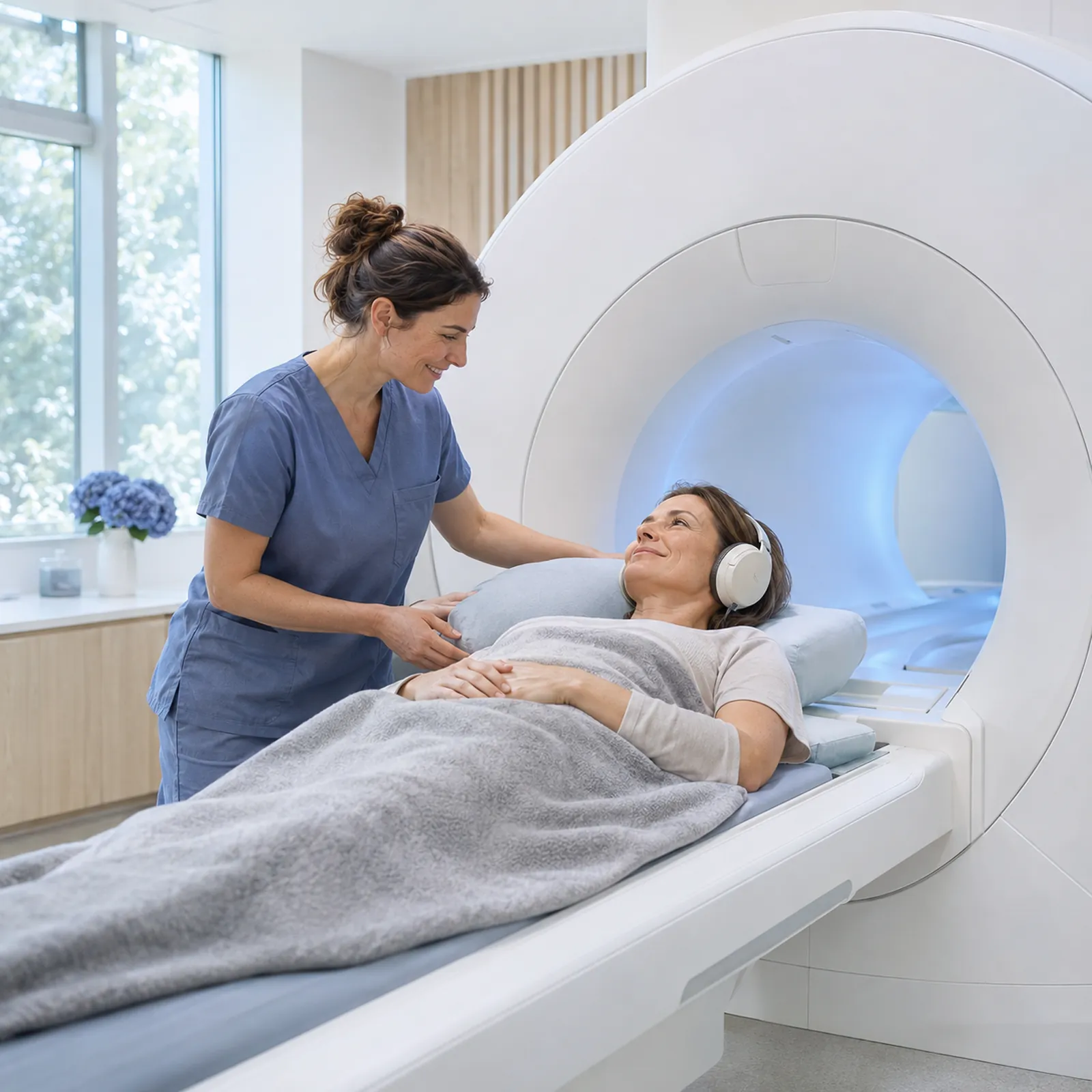
Rezonans magnetyczny – pacjentka przed badaniem

Method 04 · Coming soon to our offer

MRI

Magnetic resonance imaging

MRI (magnetic resonance imaging) is a non-invasive test that gives a detailed picture of how individual brain structures work. The method uses the magnetic properties of water molecules in the body.

The MRI scanner generates a magnetic field that temporarily changes their alignment, as well as radio waves that cause the atoms of these molecules to emit waves of the same frequency. These are recorded by sensors and used to build a detailed image of the brain. This makes it possible to assess its general condition and to diagnose many conditions, including strokes, Alzheimer's disease and other neurological disorders.

Application

  • Imaging of brain health
  • Help in identifying the causes of disorders
  • An anatomical model for neuroregulation
  • Identification of CNS dysfunctions
  • Support in the diagnosis and prevention of disease
  • Verification of the neuroregulation plan

Take care of your brain

Online consultations
Mon – Fri: 10:00 – 16:00
In-clinic consultations
Monday, Wednesday, Friday: 10:00 – 16:00

Contact us:

Contact form
en_USEN